

This site is no longer active!
If you are the owner, you must reactive this site for it to be published again
or contact us at support@rebolthq.com

If you are the owner, you must reactive this site for it to be published again
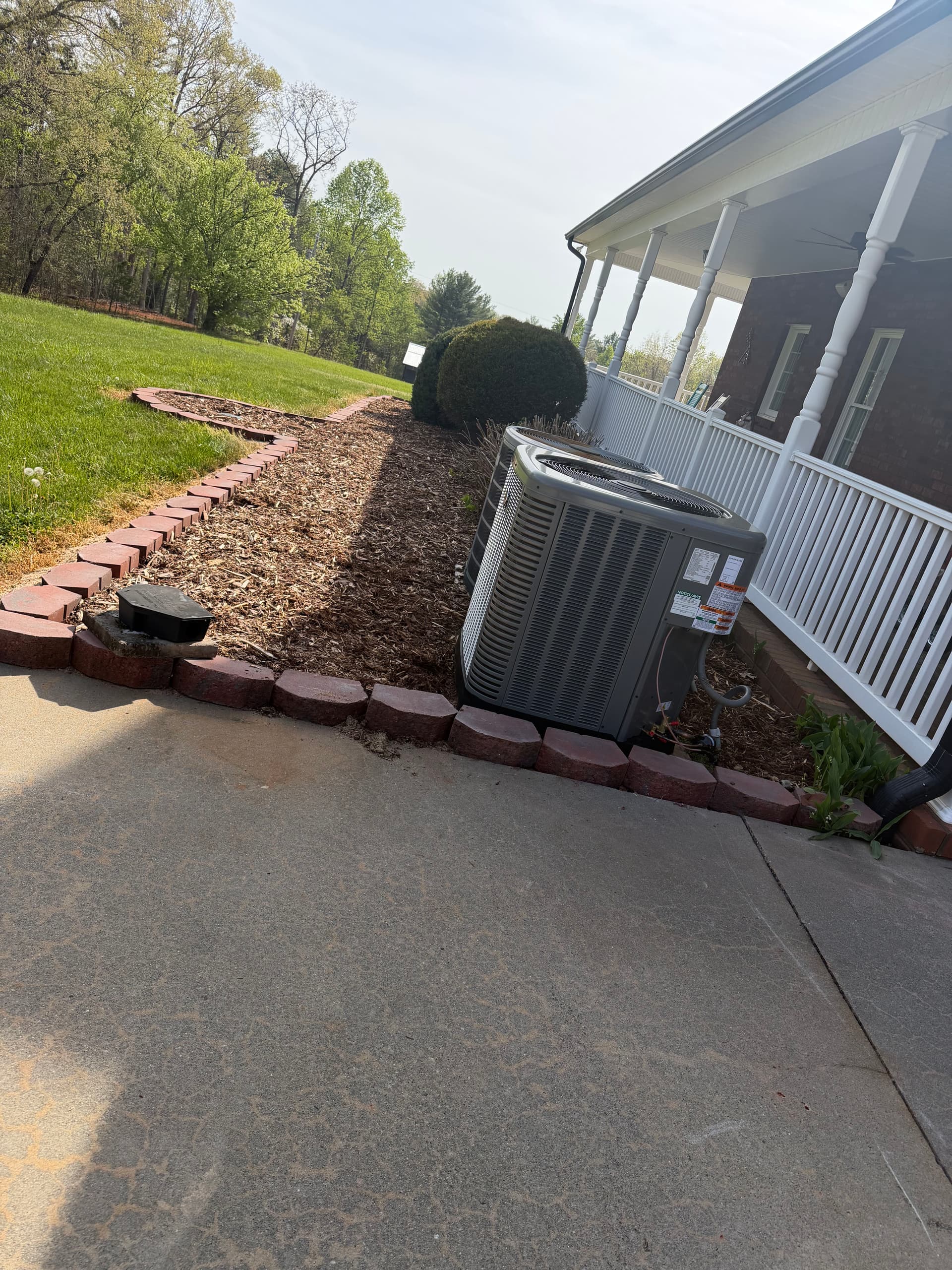
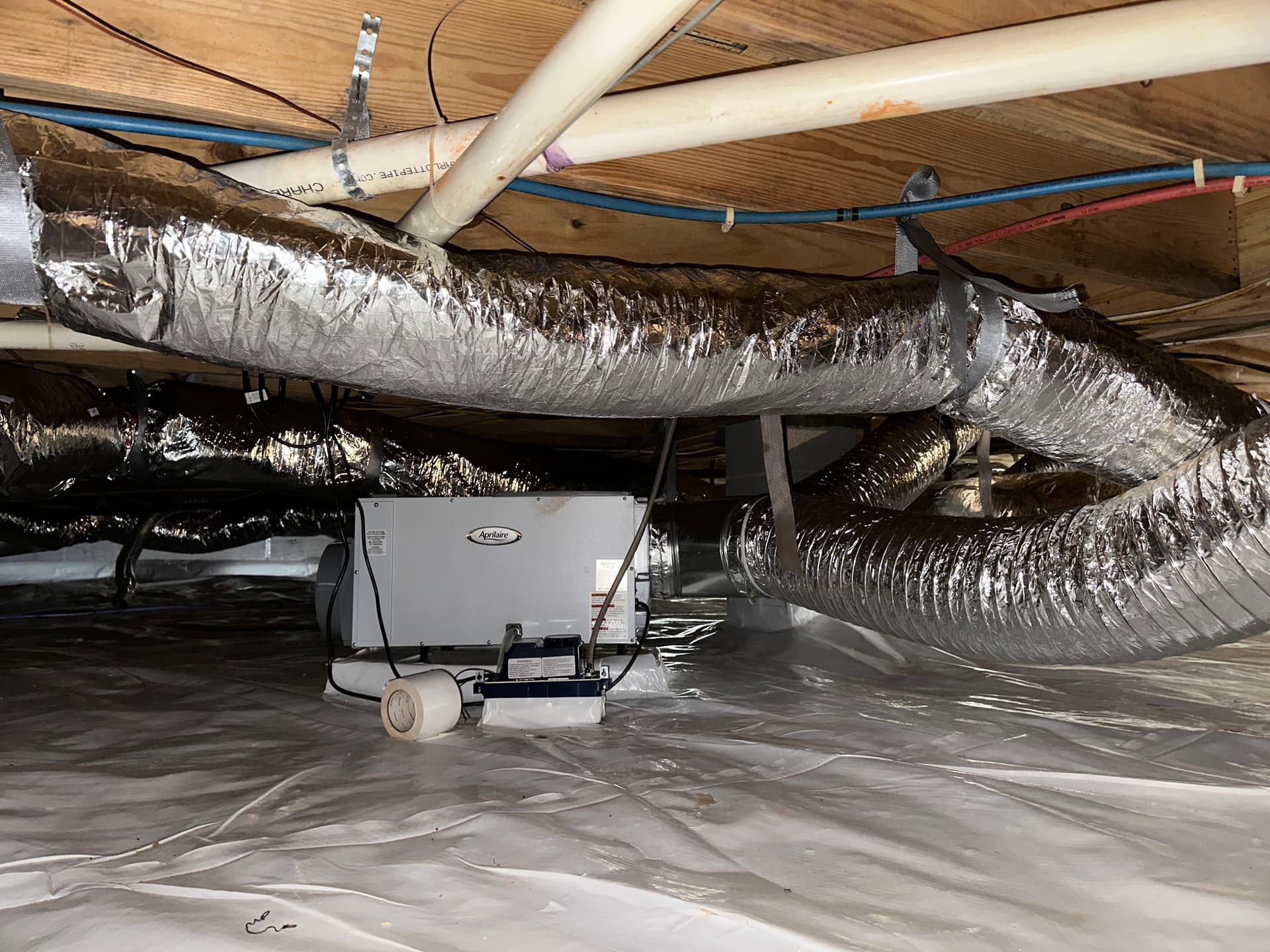
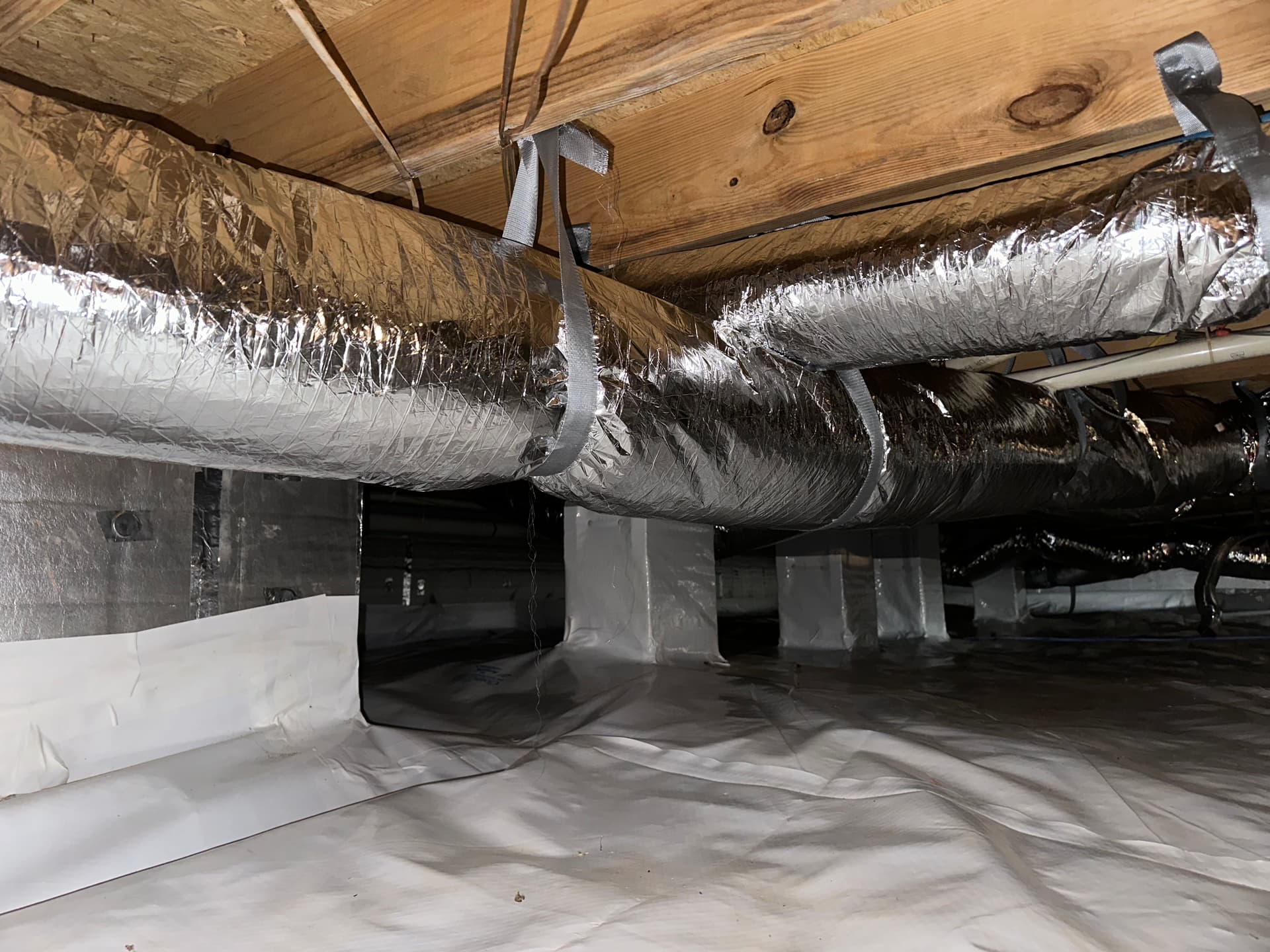
This home had an original HVAC system - the kind that had been quietly underperforming for years. Airflow was the main complaint. Some rooms never got comfortable, energy bills were higher than they should have been, and the ductwork running through the crawl space was well past its useful life. Before we touched anything, we ran our SmartFlow AirFlow diagnostic to pinpoint exactly where the system was failing. No guessing. Just data.
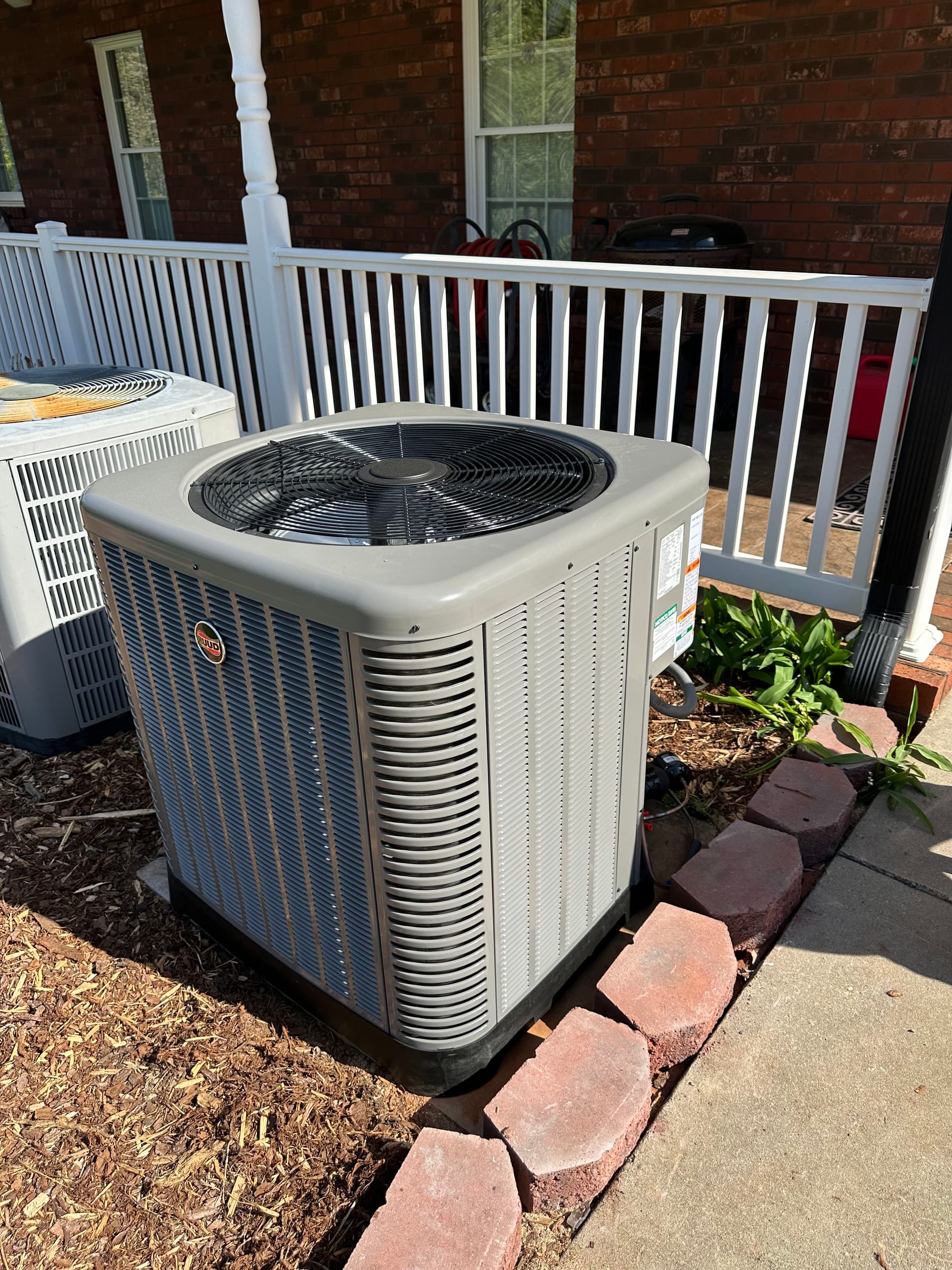
What we found confirmed what the homeowner already suspected. The old ductwork was the bottleneck. Leaks, poor routing, and age were robbing the system of the pressure it needed to push conditioned air where it was supposed to go. A new outdoor unit alone wouldn't fix that - so we replaced everything. New outdoor condenser, new air handler in the crawl space, and a completely new duct system to go with it.
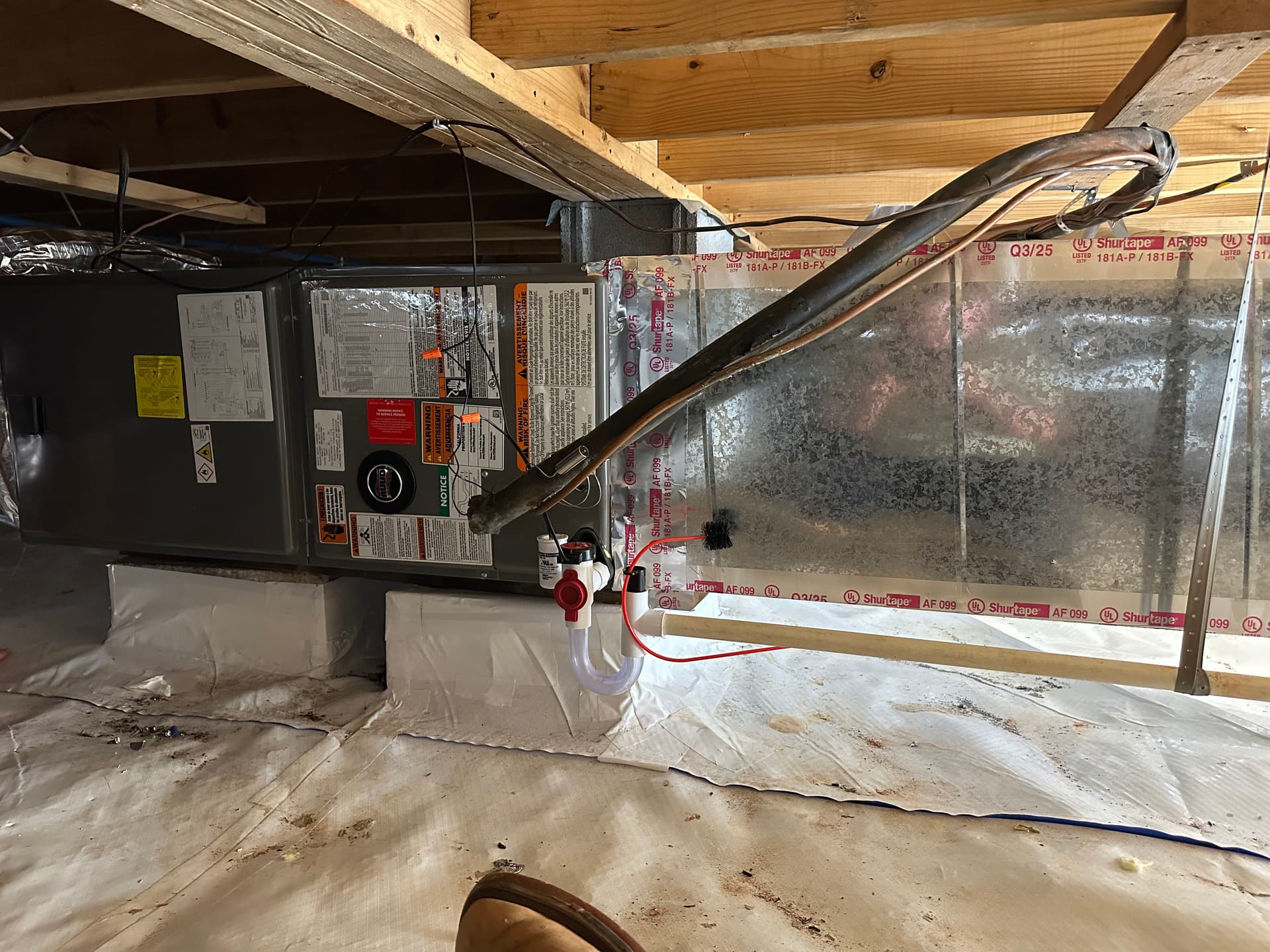
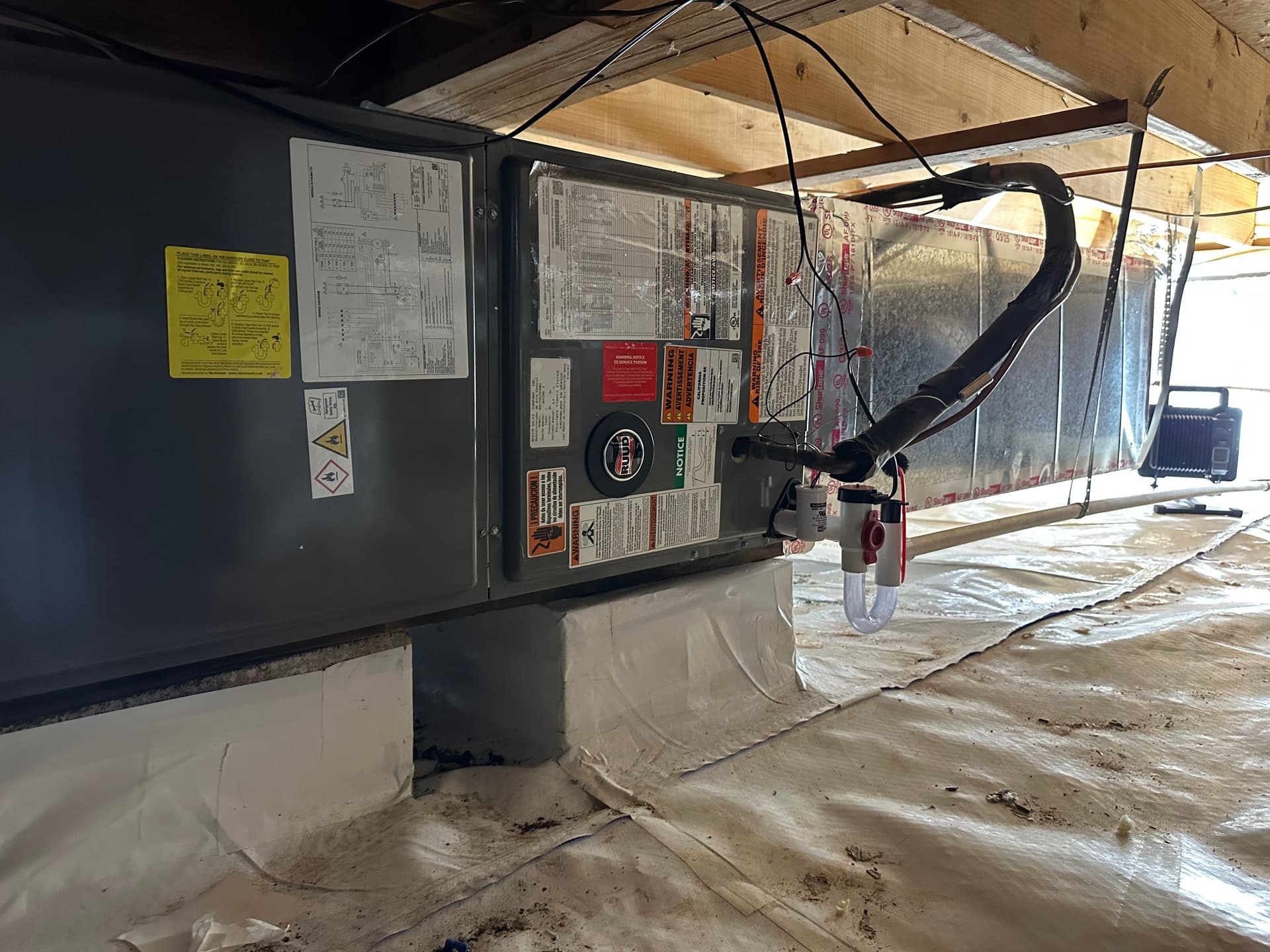
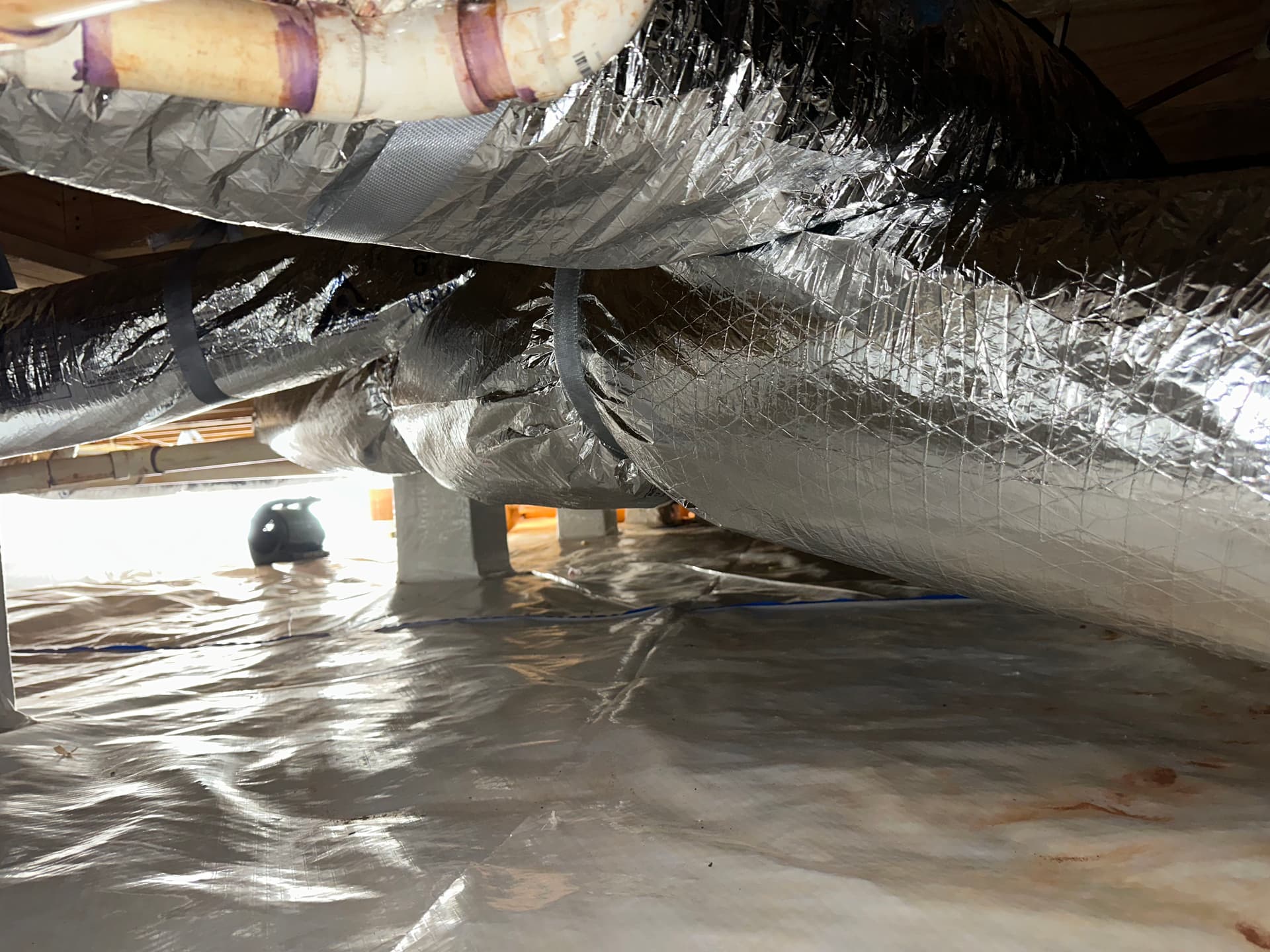
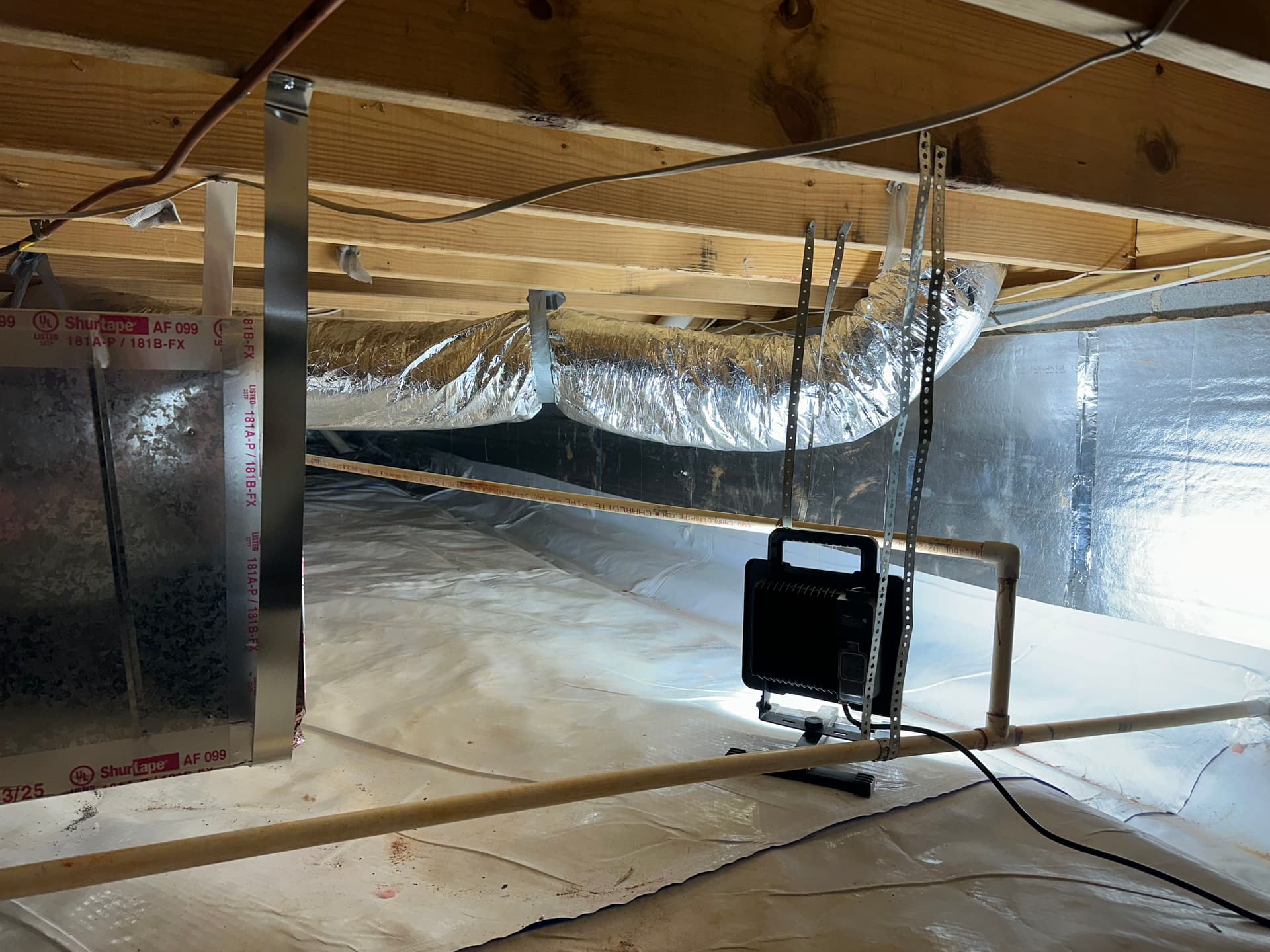
Down in the crawl space, we installed a new air handler set up with a proper condensate drain and safety float switch. The new ductwork was run clean - fully insulated flex duct strapped and supported the right way, branching off a new plenum built to handle the load. An Aprilaire unit was also added to help manage humidity in the crawl space itself, which is something a lot of HVAC installs skip over entirely. We don't.
The new outdoor unit is sitting clean on the pad outside, tucked neatly alongside the home. Inside the crawl space, the difference is night and day - organized, properly sealed air duct services work that will actually hold up. The whole job came in at a price that surprised the homeowner. That's something we hear a lot when people assume a full A/C replacement and duct replacement will break the bank.
When a system is original to the home, it's rarely just the equipment that's the problem. The ductwork ages right along with it. Doing both at the same time is almost always the smarter move - better airflow, better efficiency, and a forced air system that actually performs the way it should from day one.